Fresh Italian Salad Embroidery Design Review
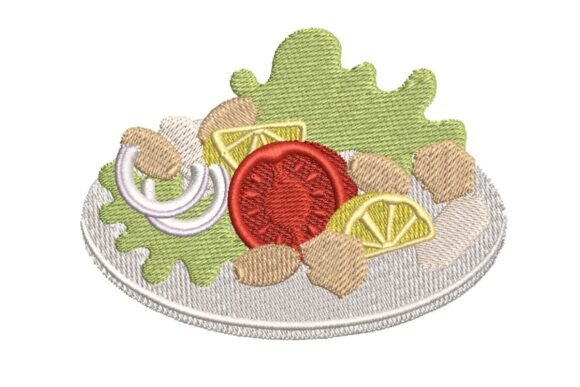
As a designer who has spent years navigating the intersection of digital art and physical thread, I approach every new machine embroidery design with a critical eye. It is not enough for an image to look good on a screen; it must translate seamlessly into a tactile, durable reality. Recently, I had the chance to evaluate the Fresh Italian Salad Embroidery Design, and my initial reaction was one of genuine culinary intrigue mixed with professional curiosity. This vibrant design features a colorful and appetizing Italian salad, artfully arranged on a light grey oval plate. The salad is composed of various textured ingredients prominent light greys, greens, reds, and yellows that promise a lively visual statement. But does this embroidery file hold up under the scrutiny of real-world production?
The Visual Impact and Mood
At first glance, the composition of the Fresh Italian Salad Embroidery Design exudes freshness and energy. The arrangement on the light grey oval plate provides a neutral canvas that allows the colors of the vegetables to pop without clashing. In the world of Food themed decor, finding a balance between realism and stylization is crucial. Too much detail can lead to muddy stitching, while too little can look cartoonish. This design strikes a commendable middle ground. The use of what appears to be varied stitch types—likely a mix of fill stitch for the bulk of the tomatoes and lettuce, and perhaps satin stitch for the glossy highlights or olive edges—suggests a sophisticated approach to texture.
For an Etsy seller or a small shop owner looking to expand their catalog, this design offers a distinct personality. It feels less like a generic clip-art and more like a curated illustration. The mood it creates is inviting and warm, perfect for kitchen textiles or summer-themed apparel. When I imagine this as a tote bag design or a centerpiece on a kitchen apron, I can already see customers engaging with the product. It tells a story of home cooking, healthy living, and Italian heritage, which are powerful emotional triggers in the handmade market.
Real-World Application: A Case Study
To truly understand the value of this digital embroidery file, let's place it in a practical scenario. Imagine you are preparing a custom order for a boutique catering service. They need a set of embroidered tea towels featuring their signature dish. You load the Fresh Italian Salad Embroidery Design into your machine, hoop a high-quality linen towel, and begin stitching.
The result is transformative. The stitch density appears well-calculated, meaning the fabric should not pucker excessively even with the colorful array of threads. The thread colors blend naturally, creating depth rather than flat blocks of color. On a finished product like a linen napkin or a cotton pillow cover, the design elevates the item from a simple household object to a piece of artisanal decor. For a personalized gift, such as a wedding present for newlyweds who love to cook, this design adds a layer of thoughtfulness that mass-produced items cannot match. It shows attention to detail and an appreciation for the recipient's lifestyle.
Furthermore, consider the potential for custom apparel. Placing this design on the chest of a heavyweight sweatshirt could create a trendy, streetwear-inspired look. The contrast of the vibrant salad against a dark heather grey or navy sweatshirt would make the light grey oval plate stand out as a framing element, guiding the eye directly to the colorful ingredients. This versatility makes the design a strong asset for commercial embroidery projects where brand consistency and visual appeal are paramount.
Navigating Technical Challenges
While the design is impressive, experienced designers know that no embroidery project is without its challenges. There are specific areas where caution is required to ensure the best results. First, consider the hoop size. Because the design includes an oval plate and multiple ingredients, it likely requires a medium to large hoop. Attempting to force this into a small 4x4 inch hoop could distort the proportions of the salad, making the plate look squashed or the ingredients overcrowded. Always verify the dimensions before committing to a project.
Fabric choice is another critical factor. The Fresh Italian Salad Embroidery Design relies on color vibrancy. Using it on a textured fabric like heavy denim or a nubby wool might obscure the finer details of the leaves and tomato slices. Similarly, on very thin or stretchy fabrics, the weight of the dense stitching could cause warping. If you plan to use this on a cap or a curved surface, you must test the design thoroughly. The curve of a hat brim might interfere with the straight lines of the plate or the delicate tips of the herbs.
Dark fabrics also present a challenge. While the design looks great on light backgrounds, using it on black or deep purple fabric will require significant adjustments to the backing and potentially the thread choices to maintain visibility. The prominent light greys mentioned in the description might disappear against a dark background unless a cutaway stabilizer is used effectively to lift the stitches off the fabric.
Practical Designer Notes for Success
If you decide to integrate the Fresh Italian Salad Embroidery Design into your business or personal projects, follow these practical steps to ensure a flawless outcome:
- Test on Scrap Fabric: Never skip the test run. Stitch the design on a scrap piece of the actual fabric you intend to use. Check for puckering, thread breaks, and registration issues.
- Check Thread Contrast: Ensure the thread colors provided in the file offer enough contrast against your chosen background. You may need to adjust the palette for different fabric shades.
- Review Stitch Density: Inspect the dense areas, particularly where the salad ingredients overlap. If the density is too high, the fabric may become stiff. Adjustments in your software might be necessary.
- Confirm Hoop Size: Double-check the recommended hoop size to prevent distortion. If your machine only supports smaller hoops, consider resizing carefully or selecting a different design.
- Use Proper Stabilizer: For food themed designs that often appear on kitchen linens, a tear-away or cut-away stabilizer is essential to support the weight of the stitches during washing.
- Inspect Small Details: Zoom in on the file to check for tiny letters or fine lines. These can sometimes get lost in the stitching process, especially on textured materials.
- Verify Licensing: Before selling any finished product or offering the digital embroidery file for download, confirm the licensing terms. Ensure you have the right to use the design for commercial purposes.
Final Verdict on Value and Appeal
In conclusion, the Fresh Italian Salad Embroidery Design is a standout piece for those looking to add a touch of gourmet charm to their craft business. Its ability to convey texture and color through thread makes it a valuable addition to any portfolio of design assets. Whether you are creating a handmade product for a holiday market, designing a personalized gift for a foodie friend, or stocking inventory for your online shop, this design offers a high level of visual appeal and professionalism.
However, its success depends on the skill of the embroiderer and the quality of the execution. By respecting the technical requirements regarding stitch density, fabric choice, and stabilization, you can transform this digital file into a stunning physical reality. For the creative entrepreneur, this design represents more than just a pattern; it is an opportunity to connect with customers who appreciate the artistry of Embroidery and the joy of good food. With careful planning and testing, the Fresh Italian Salad Embroidery Design can become a signature piece that drives engagement and builds trust in your brand.