Minimalist Floral Line Art Embroidery Review
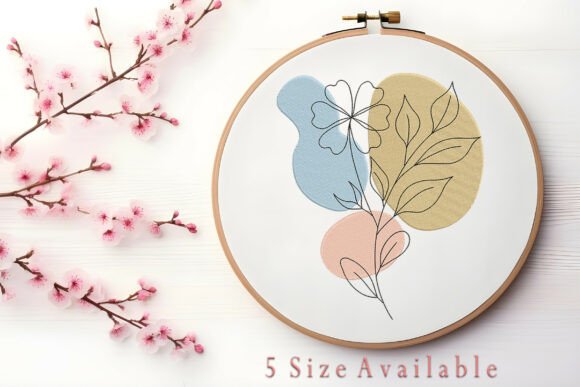
As a professional embroidery designer who has spent years translating digital concepts into tangible thread for small businesses, I approach every new machine embroidery design with a critical eye. My focus is never just on how pretty a flower looks on a screen, but how it translates to a finished product that elevates a brand. Today, I am reviewing the Minimalist Floral Line Art Embroidery, a digital file categorized under Single Flowers and Embroidery. This design promises elegance, but does it hold up under the scrutiny of commercial production for branded merchandise?
First Impressions: Elegance Meets Modern Branding
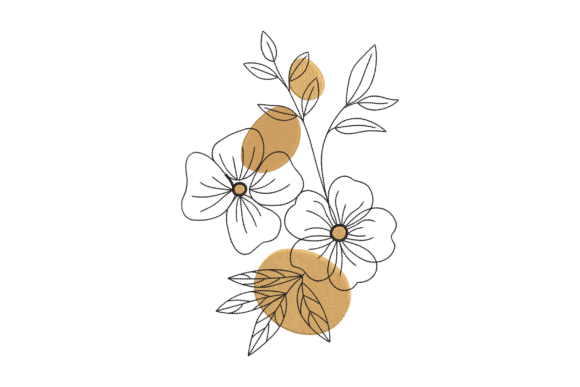
The first time I loaded the Minimalist Floral Line Art Embroidery into my digitizing software, the aesthetic was immediately clear. It is not a dense, traditional floral bouquet filled with heavy shading or complex gradients. Instead, it relies on clean, continuous lines to define the petals and stem. For a boutique owner, florist, or handmade soap maker looking to establish a modern, sophisticated brand identity, this style is incredibly potent. It feels less like a decorative afterthought and more like a deliberate design choice that signals quality.
In the world of small business merch, simplicity often wins. A cluttered logo can get lost on a busy uniform, but the refined nature of this line art stands out with quiet confidence. It strikes a balance between being friendly and professional, making it suitable for everything from a high-end bakery's apron to a creative studio's staff shirt. The visual personality is one of understated luxury, which is exactly what many handmade product creators are striving for in their packaging and apparel.
Real-World Applications for Business Merchandise
When evaluating an embroidery file for commercial use, I always ask: where will this actually live? The versatility of Minimalist Floral Line Art Embroidery makes it a strong candidate for several key applications in the custom apparel market.
- Embroidered Patches: This design is perfect for creating detachable patches. Because the lines are distinct, they can be cut cleanly from a backing fabric. These patches can be sold as add-ons for denim jackets or used to seal product packaging accents on gift boxes.
- Cap Embroidery: The linear nature of the design works exceptionally well on the curved surface of a cap front. Unlike dense floral arrangements that might pucker on a structured hat, the lightness of this line art ensures a smooth finish.
- Apron Embroidery: For cafes and bakeries, placing this single flower on the bib of an apron adds a touch of class without overwhelming the wearer. It serves as a subtle branding element that customers notice when interacting with staff.
- Tote Bag Design: As tote bag design trends shift toward minimalism, this floral motif offers a premium look. It avoids the "cheap" feel of over-stitched designs and maintains its integrity even on canvas or cotton blends.
- Sleeve Details and Chest Logos: On work shirts or polos, this design functions beautifully as a secondary accent. It can sit above a pocket or on the cuff, adding a cohesive detail to a uniform set.
For Etsy sellers and merch creators, having a consistent digital embroidery file across different products creates a unified visual language. Whether it is on a customer gift, event merch, or a permanent fixture on a shop's signage, the Minimalist Floral Line Art Embroidery helps build recognition and trust.
Critical Considerations for Production
While the design is versatile, a professional review must address where caution is required. Not every machine embroidery design performs equally well in every scenario. Here are the areas where you need to be careful when using this specific file for your business.
Size and Detail Constraints
Line art relies on the integrity of the line. If you scale the Minimalist Floral Line Art Embroidery down too much for a tiny patch or a small logo on a button, the lines may become indistinguishable or break apart during stitching. Always test the design at your intended size before committing to a full run. If the lines are too close together, the stitch density might cause the fabric to pucker, ruining the sleek look you are aiming for.
Fabric Texture and Color Contrast
This design shines on smooth fabrics like twill, poplin, or canvas. However, on highly textured fabrics like heavy fleece or rough burlap, the fine lines might get lost in the weave. Additionally, because the design is minimalist, the choice of thread colors is critical. Using a dark thread on a dark uniform will render the design invisible. You must ensure high contrast to maintain visibility and professionalism. When working with dark uniforms, consider using a bright white or metallic thread to make the lines pop.
Curved Surfaces and Hooping
While mentioned earlier as good for caps, the hoop size matters significantly. If you are embroidering this on a curved surface like a bottle or a rounded tote handle, you must confirm the hoop size allows for proper tension. Distorted hoops lead to distorted lines, which defeats the purpose of a precise line art design.
Impact on Brand Identity and Customer Perception
The choice of design assets directly influences how a customer perceives your business. Using Minimalist Floral Line Art Embroidery suggests that your brand values attention to detail and modern aesthetics. In a crowded marketplace, a well-executed embroidered detail can elevate the perceived value of a finished product. It moves an item from "generic" to "curated."
For commercial embroidery projects, consistency is key. When your team wears matching aprons with this subtle floral accent, it fosters a sense of unity and professionalism. Customers subconsciously associate this level of care with the quality of your service or product. Furthermore, for handmade brands, offering items with custom embroidery creates a unique selling proposition that mass-market retailers cannot easily replicate.
Practical Designer Notes for Implementation
Before you integrate Minimalist Floral Line Art Embroidery into your production workflow, follow these practical steps to ensure success:
- Test in Black and White: Before choosing fancy threads, stitch a test run in black on a scrap piece of fabric. This reveals any issues with spacing or line breaks that color might hide.
- Verify Commercial Licensing: Ensure your license allows for business use. Many embroidery files are sold for personal use only. Confirm you have the right to produce merchandise for sale.
- Check Stabilizer Needs: Even though this is a lightweight design, do not skip the stabilizer. Use a tear-away or cut-away stabilizer appropriate for your fabric type to prevent puckering.
- Create a Printable Mockup: Show clients or stakeholders a realistic mockup of the design on the actual garment. This manages expectations and secures approval before cutting fabric.
- Compare with Other Assets: Place this design next to other elements in your brand kit. Does it clash with your typography? Does it complement your color palette?
- Inspect Spacing: If you plan to add text near the flower, ensure there is enough space so the lettering does not merge with the floral lines.
By treating the Minimalist Floral Line Art Embroidery as a strategic tool rather than just a decoration, you can create merchandise that truly represents the heart of your business. Whether you are outfitting a team, branding a new product line, or enhancing your online store's appeal, this design offers a sophisticated path forward for modern entrepreneurs.