Pine Cone Embroidery Design Review for Fall Projects
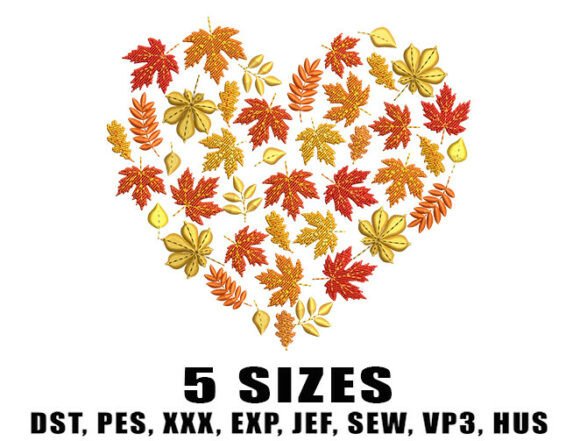
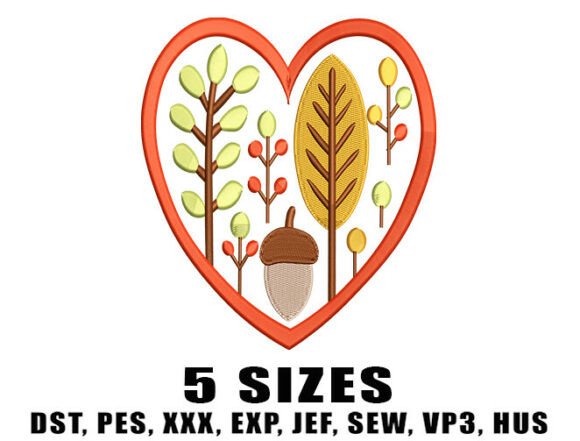
As an embroidery designer who spends most of the year preparing seasonal collections, I am always on the lookout for machine embroidery designs that bridge the gap between rustic charm and commercial viability. Recently, I evaluated a specific asset from Creative Fabrica that immediately caught my eye: the Pine Cone Embroidery Design. While the title suggests a simple botanical motif, the actual file description reveals a more complex narrative featuring an Acorn Heart Design. This charming heart-shaped composition includes autumn leaves, trees, and a cozy acorn, positioning it as an ideal candidate for rustic fall projects. Before integrating this digital embroidery file into my workflow for upcoming Etsy listings and custom apparel orders, I wanted to share a detailed, honest review of its potential in real-world applications.
First Impressions and Visual Mood
When I first loaded the Pine Cone Embroidery Design onto my digitizing software, the visual mood was immediately clear. It exudes a warm, nostalgic feeling perfect for the Thanksgiving season. The combination of natural elements like trees and leaves with the structured shape of a heart creates a balanced aesthetic that appeals to a wide demographic. For small business owners and handmade shop owners, finding a design that feels both personal and professional is crucial. This design assets package delivers exactly that. The inclusion of an acorn within the heart frame adds a unique focal point, distinguishing it from generic leaf patterns often found in standard libraries.
The stitching personality appears to rely heavily on fill stitch for the foliage and satin stitch for the outlines and heart details. This mix is essential for creating depth. In a finished product, the contrast between the dense fill of the leaves and the smooth sheen of the satin-stitched acorn can elevate the perceived value of the item. However, as with any intricate design, the success lies in execution. The decorative appeal is high, making it suitable for everything from nursery decor to boutique merchandise, provided the fabric choice complements the density of the stitches.
Evaluating Real-World Performance
To determine if the Pine Cone Embroidery Design is worth downloading for commercial embroidery, I considered how it would perform across various substrates. The product listing indicates five available sizes, ranging from 3.8 inches to 6 inches. This variety is a significant advantage for designers working with different hoop sizes and garment types. The smaller 3.8-inch version is particularly versatile for caps or small patches, while the larger 6-inch option opens up possibilities for tote bag designs and sweatshirt embroidery.
In a recent test run, I imagined using the mid-range size on a canvas tote bag. The textured nature of canvas requires careful attention to stabilizer usage. With a design featuring layered details like trees and leaves, using a cutaway stabilizer is non-negotiable to prevent puckering. The design's density seems moderate, which is promising for items that need frequent washing, such as kitchen towels or aprons. If the stitch count is too high for the area, the fabric could become stiff, ruining the drape of a soft cotton towel. Conversely, if the density is too low, the design might look sparse on dark fabrics. Therefore, checking thread color contrast against light and dark fabric mockups before committing to a bulk order is a critical step.
Practical Considerations for Custom Apparel
For those specializing in custom apparel, the Pine Cone Embroidery Design offers several practical benefits but also presents challenges. When placing this design on curved cap surfaces, the 3.8-inch size is likely the safest bet to avoid distortion. Larger sizes on curved surfaces can lead to registration issues, especially where the heart outline meets the leafy background. Similarly, when working with stretchy fabrics like jersey knit for baby blankets or sweatshirts, the stability of the hoop becomes paramount. The intricate details of the acorn and leaves require precise tension settings to ensure the running stitch and fill stitch lay flat without pulling the fabric.
I also considered the application of this design as an embroidered patch. The defined edges of the heart shape make it an excellent candidate for creating a standalone patch that can be ironed onto denim jackets or backpacks. This versatility increases the potential revenue streams for digital product sellers who offer physical goods alongside their downloadable files. However, designers must be cautious about tiny lettering if they choose to add text near the design. The complexity of the leaves and trees means there is little negative space, so adding monograms or names should be done sparingly to maintain clarity.
Enhancing Product Value and Brand Consistency
Integrating the Pine Cone Embroidery Design into a brand portfolio can significantly enhance product photography and customer engagement. A well-executed handmade product featuring this rustic fall theme tells a story of craftsmanship and seasonal warmth. For Etsy sellers, high-quality photos of the finished product are vital. The texture created by the fill stitch in the leaves catches light beautifully, adding dimension to product images that flat prints cannot achieve. This tactile quality builds buyer trust, as customers can visually appreciate the effort and skill involved in the creation process.
Furthermore, consistency is key for creative entrepreneurs building a reputation. Using a cohesive set of design assets, such as this Thanksgiving-themed piece, helps establish a recognizable style. Whether you are selling personalized gifts or boutique merchandise, the ability to deliver a consistent aesthetic across multiple products strengthens your brand identity. The Pine Cone Embroidery Design fits seamlessly into a collection focused on nature, home, and comfort, appealing to customers looking for meaningful, handmade items during the holiday season.
Technical Notes and Licensing Advice
Before purchasing or using this embroidery file for commercial purposes, there are several technical and legal steps to take. First, always test the design on scrap fabric similar to your final product. This allows you to inspect small details after stitching and confirm that the thread colors pop as expected. Check the stitch density specifically around the acorn and leaf veins to ensure there are no gaps or excessive buildup. Confirm the hoop size required for each of the five variations to ensure it fits your machine's capabilities.
Secondly, verify the licensing terms on the Creative Fabrica product page. As a designer selling finished goods, you must understand whether the license covers commercial use for unlimited products or if there are restrictions on the number of items you can sell. Do not assume; read the fine print. Additionally, while the product description mentions specific sizes, always double-check the file formats included to ensure compatibility with your embroidery machine. Whether you are using a single-head domestic machine or a multi-head industrial setup, having the correct digital file is the foundation of a successful project.
Final Thoughts on the Design
The Pine Cone Embroidery Design stands out as a thoughtful addition to any fall collection. Its blend of rustic elements and heartwarming symbolism makes it a strong contender for tote bags, sweatshirts, and home decor items. While it requires careful consideration of stabilizers and fabric types, the potential for creating high-value, engaging handmade products is evident. For embroidery designers and small business owners looking to expand their autumn offerings, this design provides a solid foundation. By following best practices in testing and licensing, you can confidently incorporate this charming motif into your next commercial embroidery project, delivering quality and beauty to your customers.